

Professional Counselor Joseph Hayes Outlines Clinical Observation of Litigation-Related Stress in High-Conflict Disputes
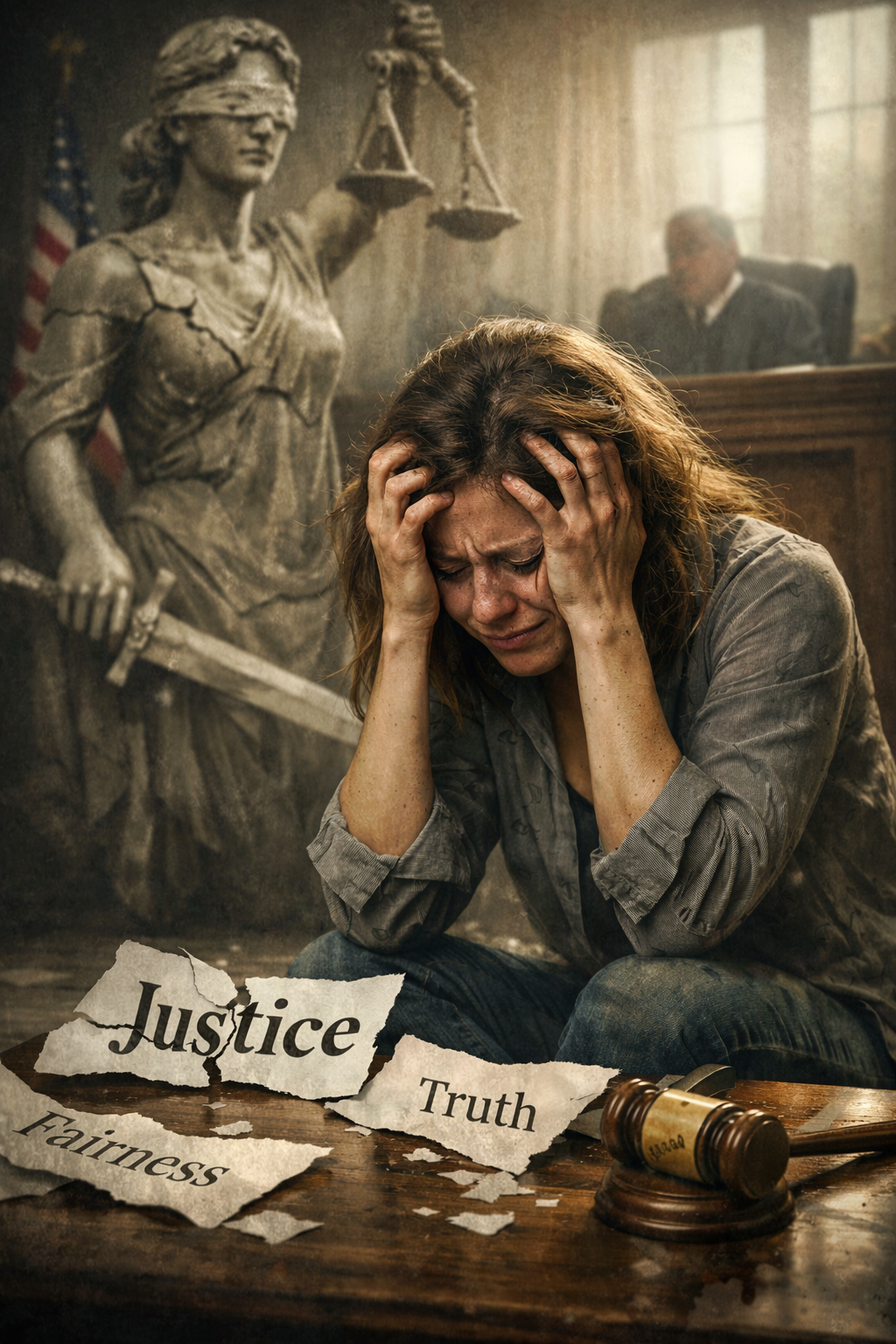
Broken justice in a silent courtroom
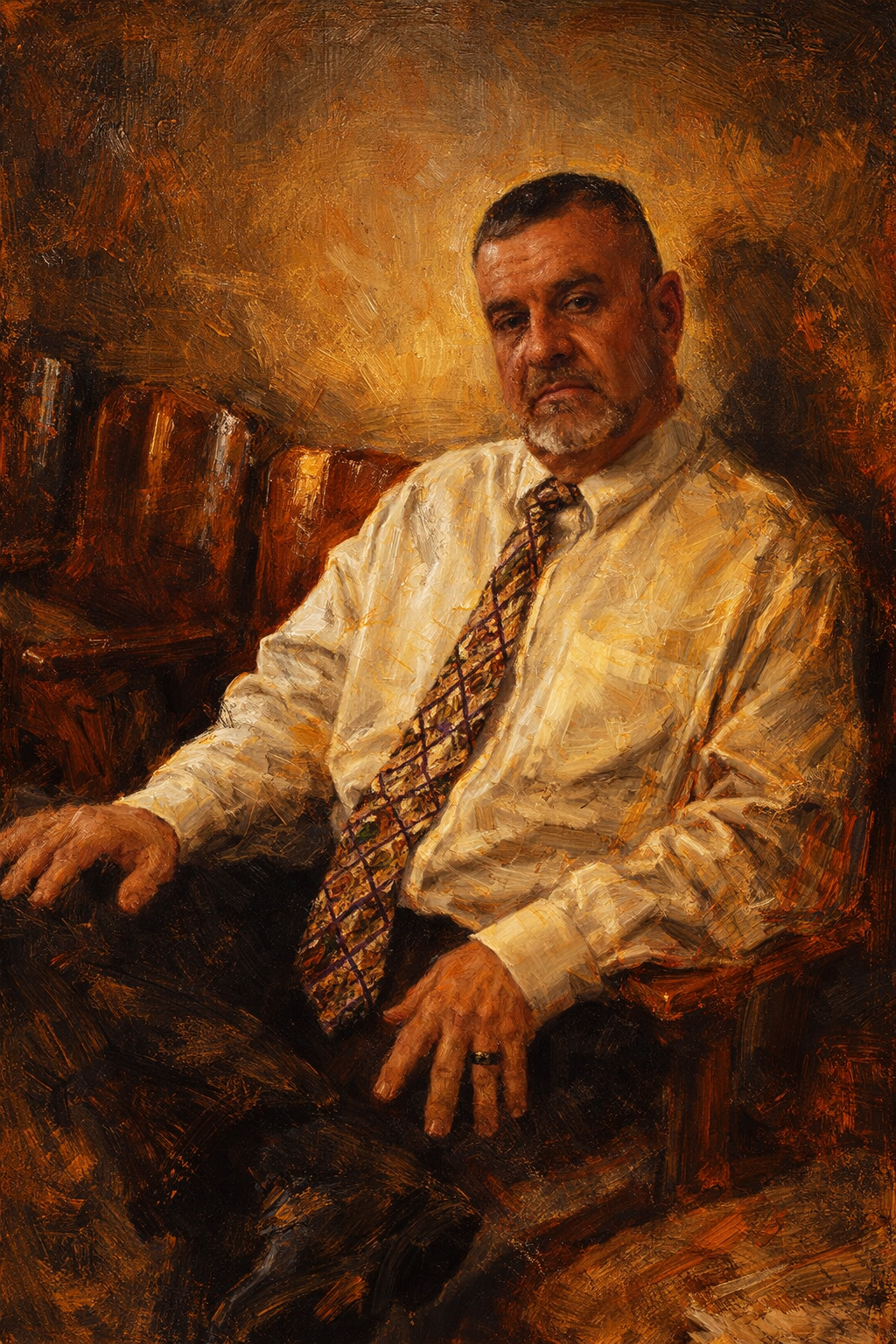
Joseph Hayes MS,LPC,NCC. (Counselor Joe)
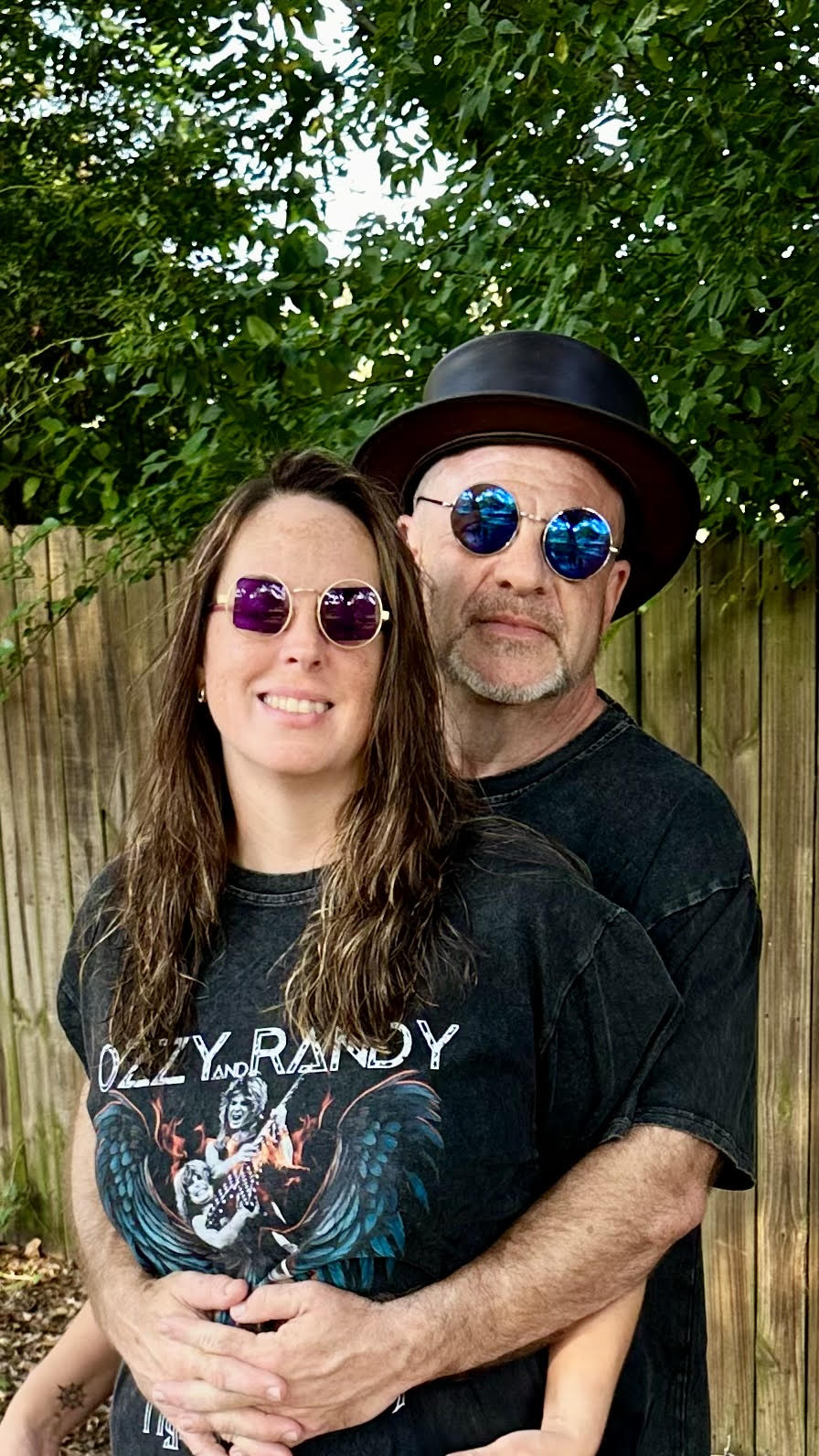
Joseph Hayes MS,LPC,NCC. is married and operates a private practice in Texas.
Hayes describes a pattern sometimes referred to as “litigation abuse,” which has been identified in professional literature as a form of post-separation coercive control, where legal processes may contribute to ongoing stress for one party.
“Legal systems are designed to resolve disputes,” Hayes said. “However, in certain high-conflict situations, the process may become prolonged, and that can have measurable psychological effects on the individuals involved.”
Hayes emphasizes that his observations are offered from a mental health and clinical perspective, not a legal determination of any individual case.
Clinical Observations in High-Conflict Cases
According to Hayes, some cases present with distinct interpersonal dynamics that can influence how each party engages in the legal process.
“In some situations, one individual may demonstrate more persistent or assertive legal engagement, while the other may exhibit withdrawal or avoidance behaviors,” Hayes said.
He notes that this pattern may align with trauma-related responses. Individuals with prior exposure to prolonged stress or coercive control may demonstrate avoidant patterns or learned helplessness responses, particularly when overwhelmed by ongoing legal conflict.
“These responses are not indicators of unwillingness to participate,” Hayes explained. “They are often adaptive responses to sustained psychological stress.”
Social Presentation and Perception in Legal Settings
Hayes also notes that differences in interpersonal style and social functioning may influence how individuals are perceived during legal proceedings.
“Some individuals may present with stronger social communication skills or a greater focus on how they are perceived by others,” Hayes said. “Others may have fewer social supports or may struggle with communication under stress.”
He explains that individuals experiencing trauma-related symptoms may become visibly overwhelmed, dysregulated, or withdrawn in high-pressure environments such as courtrooms.
“In those situations, outward presentation may not fully reflect underlying vulnerability,” Hayes said. “A person who appears less composed may, in fact, be experiencing a heightened stress response.”
He adds that this can create a perception gap, where how a situation appears externally may differ from the internal psychological experience of the individuals involved.
Trauma Activation During Legal Proceedings
Hayes further explains that legal proceedings themselves may act as triggers for trauma responses, particularly in individuals with a history of emotional or psychological distress.
“Court hearings, repeated filings, and ongoing legal interactions can activate stress responses in some individuals,” he said. “For those with pre-existing mental health conditions, this can increase symptom severity.”
He notes that in certain cases:
Court-related interactions may trigger anxiety or trauma responses
Repeated legal exposure may contribute to emotional overload
Individuals may experience difficulty regulating stress during proceedings
“In more severe situations, the cumulative stress may require increased therapeutic support,” Hayes said. “In some cases, individuals may seek urgent or emergency medical or psychiatric care due to the intensity of the stress response.”
Considerations in Imbalanced Conflict Dynamics
Hayes also notes that the psychological impact may be heightened in cases involving differences in communication style, financial resources, or coping capacity.
“In some high-conflict situations, one party may engage more actively or assertively in the legal process, while the other may already be managing mental health conditions or trauma-related symptoms,” he said.
He emphasizes that these dynamics can influence how individuals respond to ongoing legal processes, particularly for those navigating the system without legal representation.
“This is especially relevant for pro se individuals who may already be managing significant emotional or psychological strain,” Hayes added.
Litigation as an Extension of Post-Separation Conflict
A growing body of research suggests that patterns of interpersonal conflict may continue after separation, sometimes extending into legal processes.
Examples discussed in professional and legal literature may include:
Repeated filings or motions
Prolonged disputes over custody or civil matters
Escalation of conflict beyond initial legal issues
Continued engagement without clear resolution timelines
Hayes notes that in these cases, individuals may experience the process as ongoing rather than time-limited, which can contribute to sustained stress.
Considerations for Systems and Support
Hayes emphasizes that legal systems play a critical role in dispute resolution while also noting that interdisciplinary awareness may be beneficial.
“As awareness grows, there may be opportunities to further examine how prolonged legal stress interacts with mental health,” he said.
He adds that trauma-informed approaches may support individuals navigating extended legal disputes, particularly those with prior exposure to high-conflict or controlling environments.
Professional Insight and Educational Resources
Hayes has previously written on related interpersonal dynamics, including narcissistic abuse and trauma-informed perspectives in relationships.
For additional context, see:
🔗 https://goodmenproject.com/dating-2/understanding-narcissistic-abuse-in-intimate-relationships-a-trauma-informed-perspective/
About Counselor Joe
Joseph Hayes, MS, LPC, NCC, is a licensed professional counselor based in Mount Pleasant, Texas. With more than 25 years of experience, he specializes in trauma-informed care, EMDR therapy, and treatment for anxiety and stress-related conditions in adults and veterans.
Media Contact:
Joseph Hayes, MS, LPC, NCC
Counselor Joe
www.counselorjoe.com
Mount Pleasant, Texas
Joseph Hayes MS,LPC,NCC.
CounselorJoe
email us here
Visit us on social media:
Facebook
YouTube
Make Peace with the Mind Part 1
Legal Disclaimer:
EIN Presswire provides this news content "as is" without warranty of any kind. We do not accept any responsibility or liability for the accuracy, content, images, videos, licenses, completeness, legality, or reliability of the information contained in this article. If you have any complaints or copyright issues related to this article, kindly contact the author above.
